1989 J/35 vs Hunter 260 — Comparison
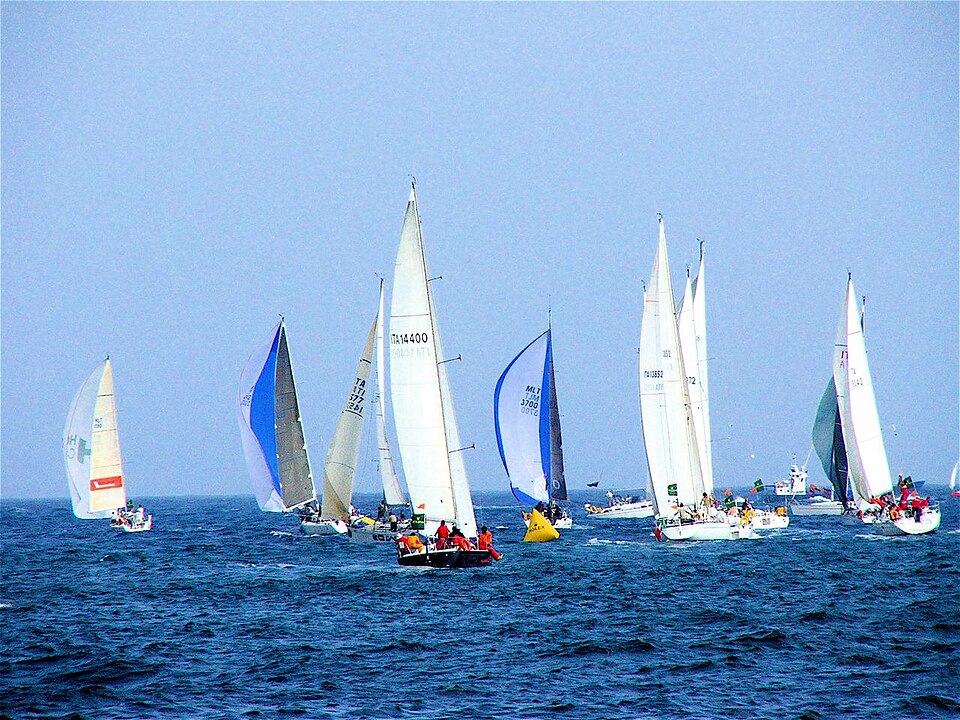 1989 J/35
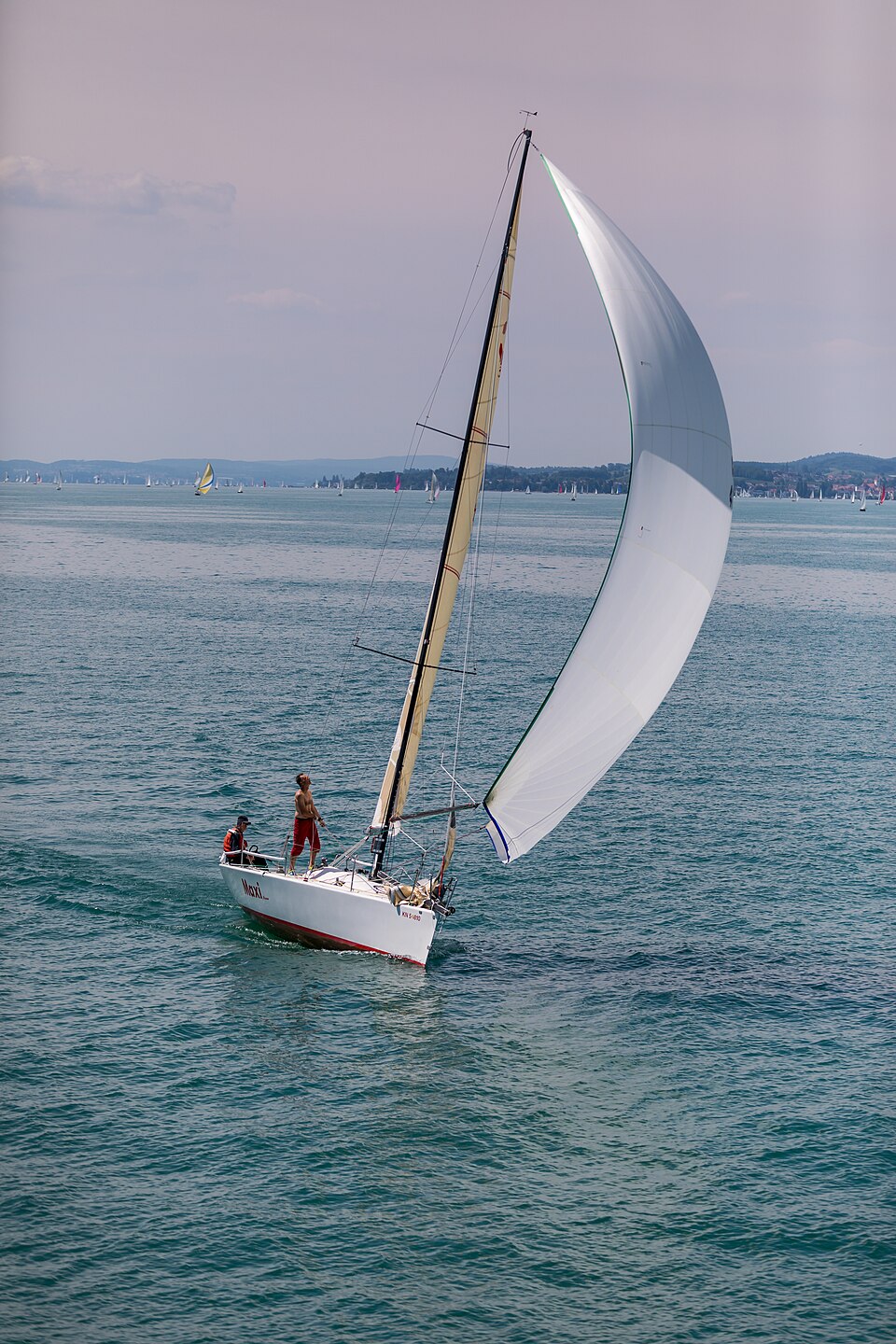 Hunter 260
Specifications Side by Side
| Specification | 1989 J/35 | Hunter 260 |
|---|---|---|
| General | ||
| Manufacturer | J/Boats | Hunter |
| Year | 1989–1993 | 1998–2004 |
| Type | Sloop | Sloop |
| Country | USA | USA |
| Designer | Rod Johnstone | Glenn Henderson |
| Dimensions | ||
| LOA | 10.67 m (35.0 ft) | 7.85 m (25.8 ft) |
| LWL | 9.14 m (30.0 ft) | 6.86 m (22.5 ft) |
| Beam | 3.43 m (11.3 ft) | 2.74 m (9.0 ft) |
| Draft | 1.98 m (6.5 ft) | 1.37 m (4.5 ft) |
| Weight | ||
| Displacement | 5,216 kg (11,499 lbs) | 2,041 kg (4,500 lbs) |
| Ballast | 2,268 kg (5,000 lbs) | 771 kg (1,700 lbs) |
| Sailing | ||
| Sail Area | 57.6 m² (620 ft²) | 27.5 m² (296 ft²) |
| Hull Material | Fiberglass | Fiberglass |
| Keel Type | Fin | Fin |
| Engine & Tanks | ||
| Engine | 18 HP | 10 HP |
| Fuel Capacity | 57 L (15.1 gal) | 38 L (10.0 gal) |
| Water Capacity | 76 L (20.1 gal) | 57 L (15.1 gal) |
| Accommodation | ||
| Berths | 6 | 5 |
| Cabins | 2 | 1 |
Performance Comparison
Detailed Comparison
The 1989 J/35 and Hunter 260 represent two takes on sloop-rigged sailing. The 1989 J/35 is a 1980s design by J/Boats from USA, while the Hunter 260 is a 1990s offering from Hunter from USA. The 1989 J/35 was penned by Rod Johnstone. The Hunter 260 was designed by Glenn Henderson.
In terms of size, the 1989 J/35 measures 10.67m (35.0ft) overall with a beam of 3.43m, compared to the Hunter 260 at 7.85m (25.8ft) with a 2.74m beam. The 1989 J/35 is 2.82m longer than the Hunter 260. The 1989 J/35 displaces approximately 156% more than its counterpart, which significantly affects how each boat handles in different sea states.
Looking at performance, the 1989 J/35 has good sail power for versatile performance with an SA/D ratio of 19.46 and 57.6 m² of sail area. The Hunter 260, with an SA/D of 17.37 and 27.5 m² of canvas, offers good sail power for versatile performance. The 1989 J/35 has the edge in terms of raw sailing performance.
For comfort and safety, the 1989 J/35 offers a firm, racing-oriented motion (comfort ratio: 16.8) and excellent capsize resistance suitable for offshore voyaging (capsize ratio: 0.79). The Hunter 260 has a comfort ratio of 16.0 and a capsize screening value of 0.87. The ballast ratios are 43.5% for the 1989 J/35 and 37.8% for the Hunter 260, reflecting their respective approaches to stability.
Below deck, the 1989 J/35 provides 6 berths in 2 cabins with 76L of water capacity and 57L of fuel. The Hunter 260 offers 5 berths in 1 cabin with 57L water and 38L fuel capacity.
Verdict
For cruising: The 1989 J/35 is the better choice for comfortable cruising thanks to its higher comfort ratio, offering a gentler motion at sea that crews will appreciate on longer passages.
For racing: The 1989 J/35 has the performance advantage with its superior SA/D ratio, meaning more sail power relative to its displacement for competitive sailing.
For liveaboard: The 1989 J/35 offers more sleeping accommodation, making it better suited for extended living aboard. Consider water and fuel capacity for extended stays away from marinas.