1981 Pearson 36 vs 2013 Beneteau Figaro 3 — Comparison
 1981 Pearson 36
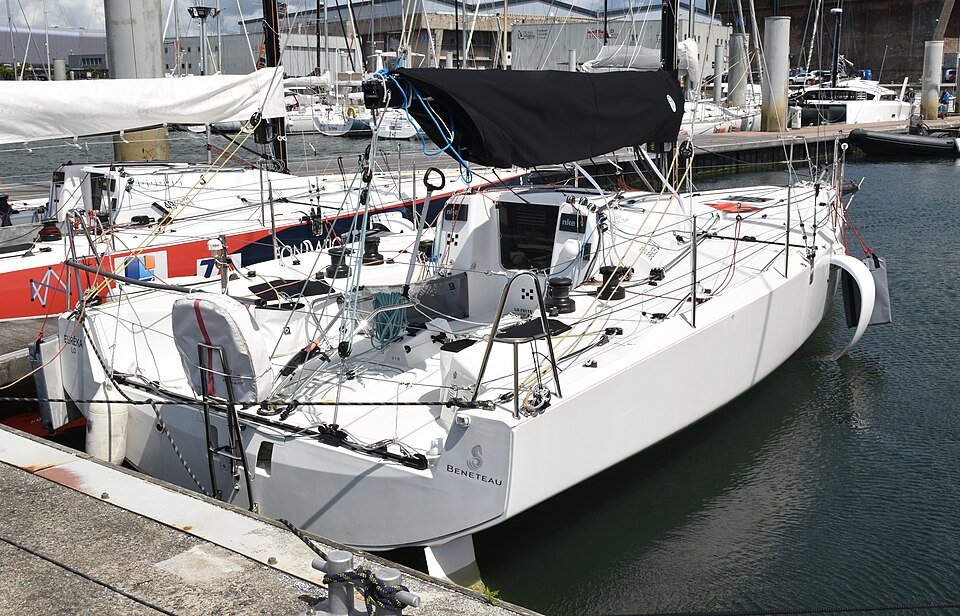 2013 Beneteau Figaro 3
Specifications Side by Side
| Specification | 1981 Pearson 36 | 2013 Beneteau Figaro 3 |
|---|---|---|
| General | ||
| Manufacturer | Pearson | Beneteau |
| Year | 1981–1985 | 2013 |
| Type | Sloop | Sloop |
| Country | USA | France |
| Designer | William Shaw | VPLP / Van Peteghem Lauriot-Prévost |
| Dimensions | ||
| LOA | 10.67 m (35.0 ft) | 10.10 m (33.1 ft) |
| LWL | 8.84 m (29.0 ft) | 9.45 m (31.0 ft) |
| Beam | 3.51 m (11.5 ft) | 3.40 m (11.2 ft) |
| Draft | 1.52 m (5.0 ft) | 2.10 m (6.9 ft) |
| Weight | ||
| Displacement | 6,124 kg (13,501 lbs) | 3,450 kg (7,606 lbs) |
| Ballast | 2,495 kg (5,501 lbs) | 1,500 kg (3,307 lbs) |
| Sailing | ||
| Sail Area | 51.6 m² (555 ft²) | 65.0 m² (700 ft²) |
| Hull Material | Fiberglass | Fiberglass |
| Keel Type | Fin | Fin |
| Engine & Tanks | ||
| Engine | 22 HP | 20 HP |
| Fuel Capacity | 76 L (20.1 gal) | 60 L (15.9 gal) |
| Water Capacity | 114 L (30.1 gal) | 40 L (10.6 gal) |
| Accommodation | ||
| Berths | 7 | 2 |
| Cabins | 2 | 1 |
Performance Comparison
Detailed Comparison
The 1981 Pearson 36 and 2013 Beneteau Figaro 3 represent two takes on sloop-rigged sailing. The 1981 Pearson 36 is a 1980s design by Pearson from USA, while the 2013 Beneteau Figaro 3 is a modern offering from Beneteau from France. The 1981 Pearson 36 was penned by William Shaw. The 2013 Beneteau Figaro 3 was designed by VPLP / Van Peteghem Lauriot-Prévost.
In terms of size, the 1981 Pearson 36 measures 10.67m (35.0ft) overall with a beam of 3.51m, compared to the 2013 Beneteau Figaro 3 at 10.10m (33.1ft) with a 3.40m beam. The 1981 Pearson 36 is 0.57m longer than the 2013 Beneteau Figaro 3. The 1981 Pearson 36 displaces approximately 78% more than its counterpart, which significantly affects how each boat handles in different sea states.
Looking at performance, the 1981 Pearson 36 has moderate sail power suitable for relaxed cruising with an SA/D ratio of 15.66 and 51.6 m² of sail area. The 2013 Beneteau Figaro 3, with an SA/D of 28.93 and 65.0 m² of canvas, offers generous sail power for spirited sailing. The 2013 Beneteau Figaro 3 has the edge in terms of raw sailing performance.
For comfort and safety, the 1981 Pearson 36 offers a moderate motion comfort level (comfort ratio: 20.0) and excellent capsize resistance suitable for offshore voyaging (capsize ratio: 0.77). The 2013 Beneteau Figaro 3 has a comfort ratio of 11.2 and a capsize screening value of 0.90. The ballast ratios are 40.7% for the 1981 Pearson 36 and 43.5% for the 2013 Beneteau Figaro 3, reflecting their respective approaches to stability.
Below deck, the 1981 Pearson 36 provides 7 berths in 2 cabins with 114L of water capacity and 76L of fuel. The 2013 Beneteau Figaro 3 offers 2 berths in 1 cabin with 40L water and 60L fuel capacity.
Verdict
For cruising: The 1981 Pearson 36 is the better choice for comfortable cruising thanks to its higher comfort ratio, offering a gentler motion at sea that crews will appreciate on longer passages.
For racing: The 2013 Beneteau Figaro 3 has the performance advantage with its superior SA/D ratio, meaning more sail power relative to its displacement for competitive sailing.
For liveaboard: The 1981 Pearson 36 offers more sleeping accommodation, making it better suited for extended living aboard. Consider water and fuel capacity for extended stays away from marinas.
Compare Different Boats
Looking for a different matchup? Browse All Boats
Or view individual specs: 1981 Pearson 36 · 2013 Beneteau Figaro 3